

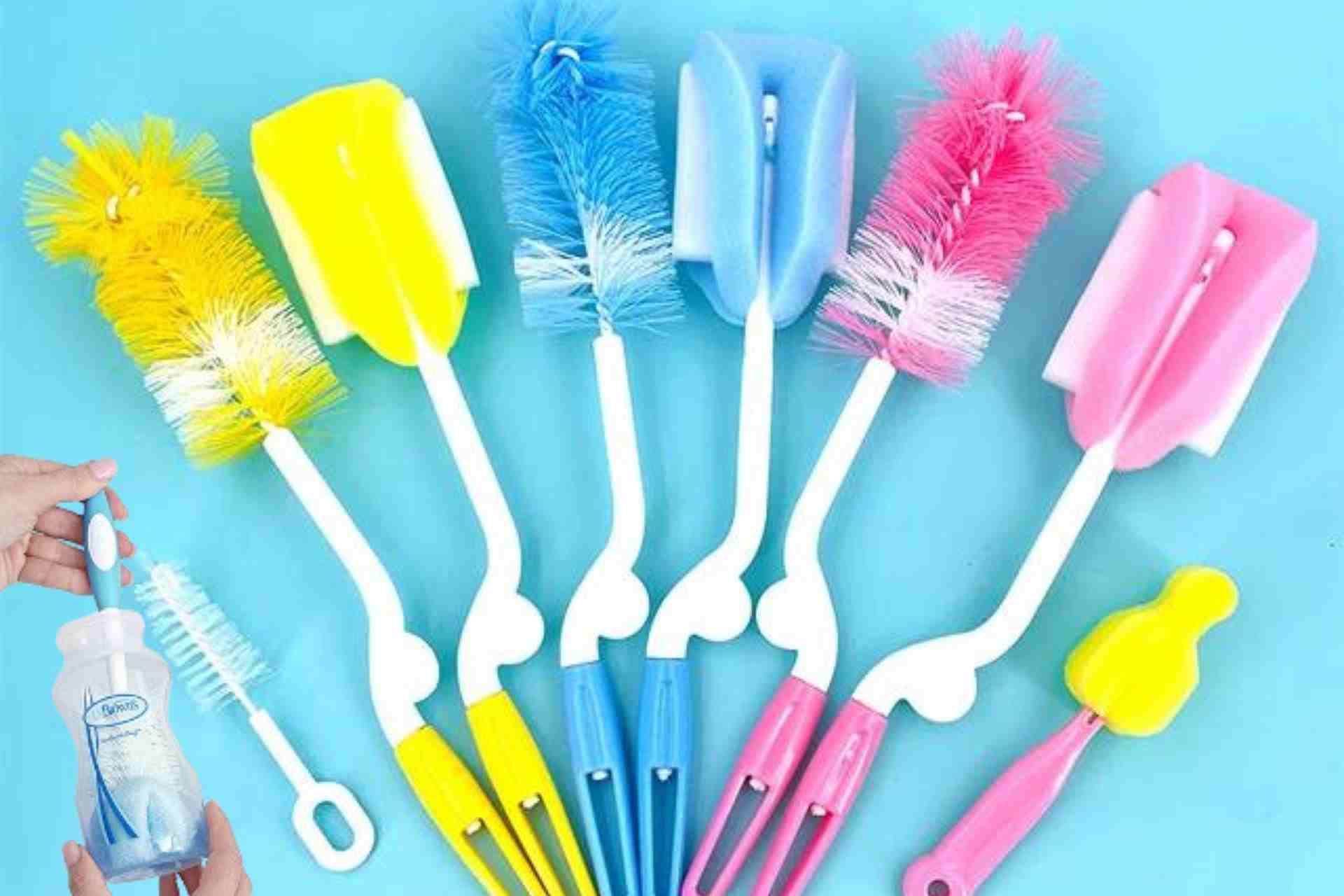
How often do you replace your bottle brush? Parents and caregivers are often asked this question when they want to ensure that their baby’s feed equipment is safe and hygienic. Regularly replacing your bottle brush is crucial for maintaining cleanliness and preventing the growth of bacteria and mold.
We’ll explain about how to keep your bottle brush clean, when to replace it, and why maintaining it in excellent condition is so important for your baby’s health. Now let’s explore the reasons why changing your bottle brush is a crucial part of your cleaning routine.
Table of Contents
How Often Do you Replace your Bottle Brush?
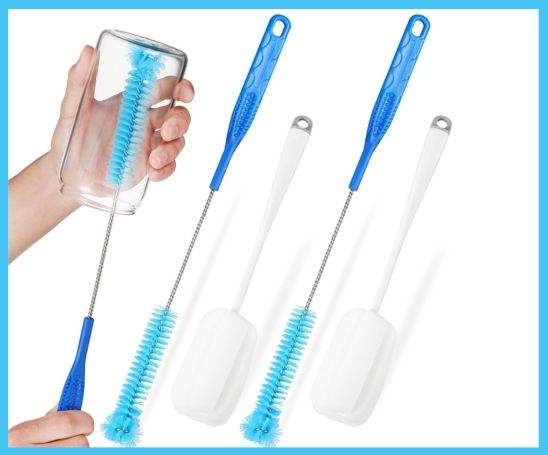
If you use your bottle brush daily for cleaning baby bottles, replacing it every 1-3 months to prevent bacterial buildup is recommended. Bacteria can build up in the bristles if not cleaned and sanitized. By replacing your bottle brush, you ensure you are cleaning your bottles and reducing the risk of contamination.
The lifespan of a bottle brush for babies, which is used between four and six weeks, depends upon several factors.
- Brush Style: Different brush types have varying lifespans. Sponge brushes tend to wear out within 30 to 40 days, Bristle and silicon brushes last much longer than sponge brushes.
- Quality: Brushes made of superior materials and higher quality are more likely to last longer.
- Frequency of Use: The brush will wear out faster if you wash your baby bottles more often, for example, if you have twins.
- Cleaning Methods: The brush lifespan can be reduced by improper cleaning methods such as using a dishwasher when it is not recommended, or by exposure to harsh cleaning agents, like bleach.
Ways to Clean a Baby Bottle Brush
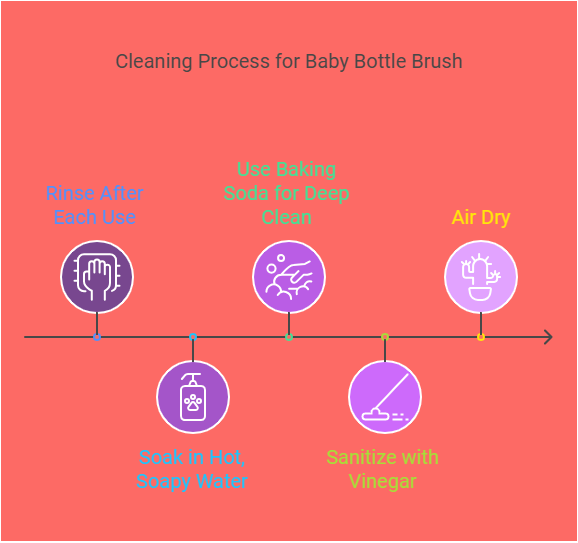
Following the manufacturer’s cleaning guidelines is crucial to maintain the hygiene and durability of your baby bottle brush. Regular cleaning is essential to prevent the buildup of germs on both the brush and the baby bottle. Here are some standard methods for cleaning this essential accessory:
Step 1: Rinse After Each Use
Immediately after using the bottle brush, rinse it under running water to remove any milk residue or soap. This step helps prevent bacteria buildup and makes the brush easier to clean later.
Step 2: Soak in Hot, Soapy Water
Put some hot water into a container and mix in a few drops of dish soap. Submerge the bottle brush in this solution and let it soak for a few minutes. The following helps eliminate germs and aid in cleaning any last bits of residue. Using dish soap like Dawn® for baby bottles and their parts is advised, as it does not leave a soapy residue after cleaning.
Step 3: Use Baking Soda for a Deep Clean
For a deeper clean, sprinkle some baking soda on the brush and scrub it. Natural cleaning solutions like baking soda can help get rid of stubborn stains and smells with no harm to the brush.
Step 4: Sanitize with Vinegar
After scrubbing, prepare a sanitizing solution by mixing equal parts of water and white vinegar. Soak the brush in this solution for at least 30 minutes. Vinegar is a natural disinfectant that can help cut bacteria and germs.
Step 5: Air Dry
After cleaning and sanitizing, rinse the brush under running water to remove any vinegar smell. When storing the brush, shake out any excess water and let it air dry fully. It’s best to keep the brush dry and well-ventilated to prevent mold growth.
Factors to consider when replacing your bottle brush
When considering replacing your bottle brush, there are several factors to take into account:
- Type of Brush: The material and type of the brush affect its longevity. Sponge brushes may need replacing every 30 to 45 days, while silicone and bristle brushes can last longer.
- Frequency of Use: The more a brush is used, the quicker it will wear out. If you use the brush many times a day or for many children, it may need to be replaced more often.
- Quality of the Brush: Higher quality brushes made with durable materials are likely to last longer than those made with inferior materials.
- Signs of Wear: Look for flying bristles, bristles coming loose, disintegration of sponge material, flaking or cracked parts on silicone brushes, and a shabby or dirty appearance as indicators that it’s time to replace the brush.
- Cleaning Method: How you clean the brush can also affect its lifespan. Overzealous use of harsh cleaning agents can cause the brush to deteriorate faster. Silicone brushes are often dishwasher-safe and may last longer if cleaned.
- Hygiene: A bottle brush can harbor bacteria and dirt, so replacing it before it becomes a health hazard is essential. If the brush starts to look nasty or has a foul odor, it should be replaced.
- Manufacturer’s Recommendations: Some manufacturers may provide specific guidelines on when to replace their brushes. For example, packaging for specific bottle brushes may suggest replacement every 30-45 days.
- Personal Preference: Some parents may choose to replace the brush more for peace of mind, especially if they are concerned about hygiene for their baby.
Benefits of using a clean bottle brush
When cleaning your baby’s bottle, a clean bottle brush will help you maintain good hygiene. Using a clean brush, you can remove any lingering milk residue or bacteria, ensuring your baby’s feeding equipment is safe and sanitary. If you don’t clean your bottle brush, mold and mildew can grow. It helps to reduce contamination risks and protects your baby’s health.
Using a clean bottle brush prolongs the life of the brush itself. Regularly cleaning and sanitizing your brush prevents bristles from becoming worn out or damaged, allowing you to continue using it for an extended period.
The benefits of using a clean bottle brush extend beyond cleanliness – it provides peace of mind knowing that you are taking necessary steps to safeguard your baby’s health during feeding times.
How often should you replace baby bottle nipples?
If you want to ensure that your child has a healthy future, then it is important to provide them with bottle nipples in good condition. As nipples age, they can become less effective as a feeding tool. Inspect the nipples for signs of damage like cracks or tears.
It’s essential to replace the nipple if you see any signs of wear. If your baby has been using the same nipple for an extended period, consider replacing it every 2-3 months, even if there are no visible signs of damage. Preventing potential feeding issues can be achieved by taking a proactive approach.
When to replace a bottle brush for your baby?
There is no set time frame for when to replace a baby bottle brush, as it depends on the type of brush and how it is used. Some general guidelines suggest that if you are using a bottle brush, such as with an infant, you might consider replacing it every 1 to 2 months.
To maintain the cleanliness and effectiveness of the bottle brush, it is important to clean it. It may be cleaned using the following method: wash it in hot, soapy water, rinse it well, and let it air dry. Some bottle brushes can also be cleaned in the dishwasher on a hot cycle or sterilized if necessary, especially if your baby is less than 2 months old, was born, or has a weakened immune system.
If your bottle brush shows obvious signs of wear and tear, including perverse or absent brushes, or if it gets discolored or develops an ormancy, it may be time to replace it. It’s also important to replace the brush immediately if it becomes contaminated in any way.
How many baby bottle brushes do you need?
You only need one or two baby bottle brushes at a time. An extra one can be handy, especially if you clean bottles, such as when feeding twins or triplets. If you are bottle-feeding for up to 12 months, you may expect to need 10 to 12 bottle brushes if you change them every month or so.
Some parents keep an extra brush in the diaper bag for cleaning on the go or leave one at places they frequent, like a grandparent’s house. The number of brushes you need can also depend on your preference for cleanliness and convenience.
Different types of bottle brushes are available
Yes, there are several types of bottle brushes available:
- Standard Bottle Brush: These bottle brushes are used to clean water bottles, baby bottles, and other beverage containers. They usually have a long handle and a bristle brush at the end.
- Long-Handle Bottle Brush: The handle is longer than standard bottle brushes to make it easier to reach taller or narrower bottles, like wine bottles or vases.
- Narrow Neck Bottle Brush: These brushes are thinner with a more elongated handle. They’re designed to clean bottles with narrow openings like perfume or oil bottles.
- Baby Bottle Brush: Designed with soft bristles to clean delicate baby bottles without scratching or damaging them. Some may come with more attachments for cleaning bottle nipples or pacifiers.
- Pipe Cleaner Brush: The flexible, thin brush is perfect for cleaning tubes and other narrow openings.
- Decanter Cleaning Brush: These brushes feature a curved form to help clean inside and wine decanters. Each item has a unique shape so that they may need a special cleaning.
- Hydration Pack Cleaning Kit: These kits often feature a choice of brushes and cleaning equipment made for hydration packs, which have lengthy reservoirs and tubes that are challenging to clean with standard brushes.
- Chemical Bottle Brush: Some bottle brushes are intended for cleaning or disinfecting the inside of bottles using chemicals or cleaning solutions.
- Silicone Bottle Brush: The ones below have soft silicone bristles that are great for cleaning baby bottles, water bottles, and reusable water pouches since they are fragile.
- Collapsible Bottle Brush: The brushes can be folded or collapsed for storage or transport. They are ideal for camping or travel.
Frequently Asked Questions (FAQs)
How to clean a baby bottle without a brush?
To keep baby bottles clean without a bottle brush, use a clean dishcloth or sponge with hot, soapy water, followed by thorough rinsing. Apply vinegar and baking soda paste for stubborn milk residue and scrub with a cloth. Maintaining bottle hygiene is essential for a healthy and happy baby.
How often to change baby bottle brush?
Replace baby bottle brushes every 4–6 weeks or sooner if worn out. Sponge brushes need replacement more frequently (30–40 days), while bristle and silicone brushes last longer. Regular replacement ensures proper hygiene.
How many bottle brushes do I need for baby?
Keep at least two bottle brushes for consistent cleaning and a backup. Use separate brushes for different tasks to maintain hygiene and prevent cross-contamination.
Do you sterilize baby bottle brush?
Sterilize baby bottle brushes regularly by boiling or using a microwave sterilizer, ideally once a week or more if exposed to contaminants. This prevents germs and ensures feeding equipment remains safe. Always wash and air dry after sterilization.
How do I keep my baby’s bottle brush clean?
To keep your baby’s bottle brush clean, it is important to follow these practices:
Rinse after use, wash with soap and hot water, scrub bristles, and air dry. Sanitize regularly and replace brushes if bristles are damaged.
Is it necessary to use a bottle brush?
A bottle brush is essential for cleaning baby bottles, reaching hard-to-clean areas, and ensuring good hygiene by removing hidden bacteria. It helps keep bottles clean and extends their lifespan.
How many bottle inserts do i need for a year?
The number of bottle inserts you’ll need in a year depends on your baby’s feeding routine, bottle type, and laundry frequency. Here’s a general guideline:
- Newborn Stage (0-3 months): Babies feed, so you might need 8-12 inserts per week to avoid daily washing.
- Infant Stage (3-6 months): With reduced feeding frequency, aim for 6-8 inserts.
- Established Feeding (6-12 months): 4-6 inserts should suffice as your baby eats more solids.
How Long Do Bottle Brush Blooms Last?
Bottle brush blooms last 2 to 4 weeks, providing vibrant seasonal color in gardens.
Do You Need To Sanitize Bottle Brush?
Yes, you need to sanitize a bottle brush to eliminate bacteria and maintain hygiene. Regular cleaning after each use and deep sanitization weekly are advised.
Conclusion
Replacing your bottle brush every 1-3 months is generally recommended to ensure optimal cleaning performance and hygiene. By routinely assessing the condition of your bottle brush and considering factors such as frequency of use and wear and tear, you can determine the ideal replacement frequency. A worn-out cleaning brush may compromise the effectiveness of your cleaning, leaving behind bacteria and harmful residue. Replacing your bottle brush is recommended to ensure a thorough and efficient cleaning process.