

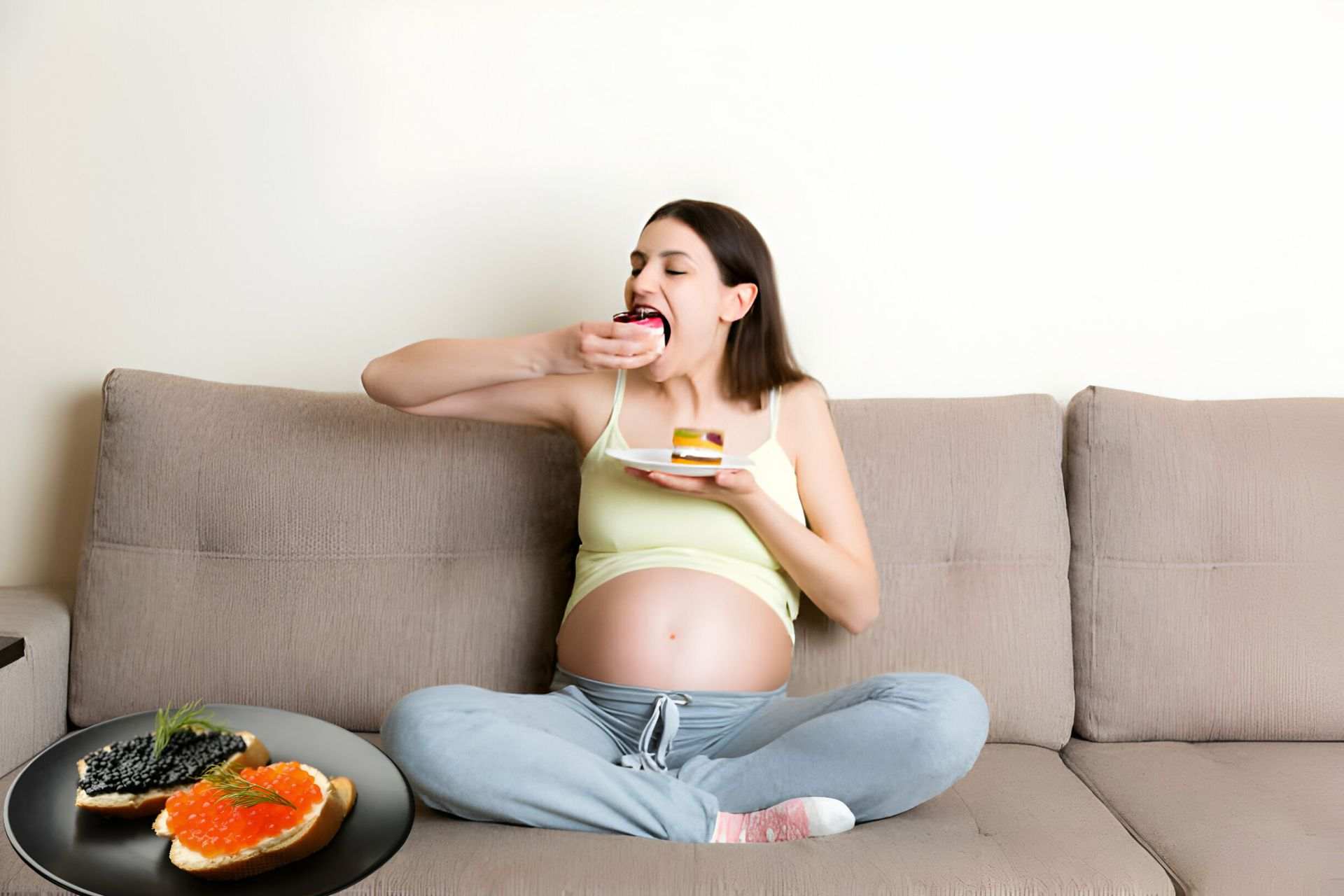
Can you eat caviar when pregnant? Many expectant mothers ask this question regarding their diet during pregnancy. Caviar, known for its luxurious and delicate taste, is made from fish eggs. Caviar consumption while pregnant can have serious risks.
In this exploration, we’ll explore the complexities of eating caviar while pregnant, including its nutritional composition and safety concerns. We’ll also examine health benefits, alternatives, and other factors. We hope to educate pregnant women about this topic so they can make an informed decision about their diet and protect their health and the health of their growing babies.
What Is Caviar?
Caviar is a luxurious delicacy made from the salt-cured roe of the Acipenseridae family, primarily sturgeon fish. Caviar referred to roe from wild sturgeon in the Caspian and Black Seas, specifically Beluga, Ossetra, and Sevruga types. Caviar comes in different varieties with variations in egg size, color, and flavor, typically described as salty, buttery, and mildly briny.
Beluga and ossetra varieties are among the most expensive, while kaluga and sevruga are also prized. They are at risk of overfishing due to the high value of their roe. Caviar production involves extracting roe and salting it for flavor and preservation, and it is judged by the roe’s size, color, and texture.
Table of Contents
Can You Eat Caviar When Pregnant?
Related: THE BEST STROLLERS FOR 3 YEAR OLDS | OUR 7 TOP PICKS
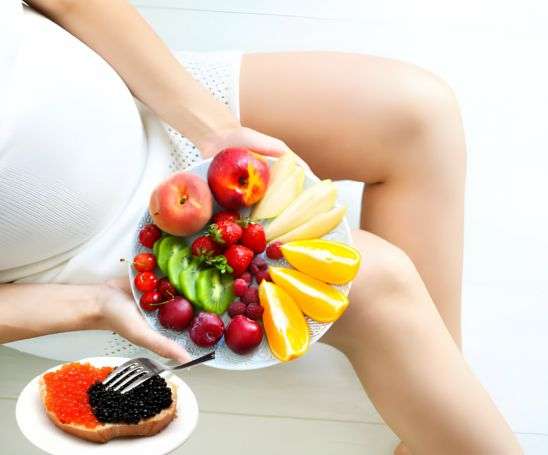
Yes, Caviar is a good source of Omega-3 fatty acids and can benefit your health during pregnancy. Omega-3s promote the proper development of the baby’s brain and eyes. It is crucial to ensure that the Caviar is adequately handled and sourced from a trusted supplier to minimize the risk of contamination.
Pregnant women must be mindful of their seafood consumption to avoid excessive mercury intake. So, while Caviar can be enjoyed occasionally, moderation and quality assurance are key when adding this delicacy to a pregnancy diet.
What Is the Difference Between Caviar and Roe?
Caviar and roe are often used interchangeably, but the two have some key differences. Caviar refers specifically to the eggs of sturgeon fish, while roe is a broader term that encompasses the eggs of various fish species. Another important distinction lies in their origins.
Caviar is traditionally associated with luxury and predominantly sourced from the Caspian and Black Sea regions. On the other hand, roe can come from a wide range of fish, Tobiko, Salmon (also known as Ikura), Capelin Roe (also known as Masago), Trout Roe, Paddlefish, Bowfin, and herring, resulting in varying flavors and textures.
Caviar and roe are prized for their exquisite taste and delicate briny notes. So, next time you come across these delicacies, you’ll be able to appreciate the nuanced differences between caviar and roe.
Health Benefits of Caviar During Pregnancy

While there are safety concerns about caviar consumption during pregnancy, moderate intake can offer several health benefits:
- Rich Source of Omega-3 Fatty Acids: Caviar is high in omega-3 fatty acids, particularly DHA and EPA, which are crucial for fetal brain and eye development.
- Supports Fetal Development: Omega-3 intake during pregnancy may lower the risk of preterm birth and promote a healthy birth weight, aiding fetal development.
- Concentrated Nutrients: Caviar provides essential nutrients like protein, vitamins, and minerals vital for maternal and fetal health.
- Promotes Tissue Growth and Repair: Protein in caviar supports maternal and fetal tissue growth and repair, which is crucial for health.
- Ensures Maternal Health: Moderate caviar consumption helps pregnant women meet nutritional needs, supporting maternal well-being.
- Reduces Risk of Nutritional Deficiencies: Including caviar in the diet helps prevent nutritional deficiencies during pregnancy, providing a convenient and nutrient-dense option.
Can I eat caviar while I am pregnant?
Yes, it can be safe to eat caviar while pregnant, but caution is advised. Caviar rich in omega-3 acids is good for the development of a fetus. Some types may contain mercury, posing risks. Pregnant women should choose varieties with lower mercury levels and consume them in moderation. Proper handling and storage is crucial for preventing bacterial contamination. A healthcare provider can provide you with personalized advice to help ensure a healthy, safe pregnancy.
Nutritional Composition of Caviar
Caviar, not only because of its exquisite taste but also due to its remarkable nutritional composition, is a popular food. It’s rich in essential vitamins and nutrients, with a high amount of Vitamin B12 – which is important for nerve functioning, production of DNA, and red blood cells. The vitamin D in caviar is excellent. Vitamin D is crucial for immune and bone health.
Gourmet food is also rich in iron, essential for oxygen transportation in the bloodstream. Selenium, an antioxidant, plays a vital role in thyroid and metabolism. Caviar’s high protein content and range of essential amino acid types help repair muscle and tissues. Here is the nutritional information for caviar per 100 grams:
| Nutrient | Amount per 100g |
| Calories | 264kCal |
| Protein | 24.6g |
| Carbohydrates | 4g |
| Fats | 17.9g |
| Water | 47.5g |
| Vitamin A | 905IU |
| Vitamin B12 | 20mg |
| Potassium | 181mg |
| Magnesium | 300mg |
| Calcium | 275mg |
| Vitamin E | 1.89mg |
| Sodium | 1500mg |
| Iron | 11.88mg |
| Zinc | 0.6mg |
Health Considerations for Pregnant Women
Caviar can be a great addition to your pregnancy diet. It would help if you balanced the health benefits against its possible risks. Two primary concerns are the risks of Listeria contamination and mercury exposure. Listeria bacteria, found in unpasteurized food, can cause severe infections in pregnant women, leading to miscarriages, preterm labor, or infections in the newborn. Mercury is present in caviar but at a low level compared to other fish products. High levels can cause damage to the nervous system.
Pregnant women should consult their healthcare provider before adding caviar to their meals and follow the guidelines for safe consumption. Factual data and professional advice are indispensable to ensure the well-being of both mother and child. With careful consideration, caviar can be a luxurious yet thoughtful addition to a maternal diet.
Listeria Concerns and Caviar
Caviar is often associated with its luxurious status and nutritional value, but pregnant women need to approach it with caution due to potential Listeria contamination. During pregnancy, this bacterium can cause miscarriage, stillbirth, and serious infections in newborns can occur as a result of this bacterium during pregnancy. Even when symptoms in the mother are mild or non-existent, the impact on the fetus can be significant.
Pregnant women should avoid unpasteurized caviar to reduce this risk. Choose pasteurized varieties, and make sure they are sourced from reliable companies. These health considerations and factual information will help pregnant women make informed decisions when it comes to including caviar in their diet. To personalize your dietary choices and to check for potential risks in pregnancy, it is recommended that you consult with a healthcare provider.
Mercury Levels in Caviar
Caviar is renowned for its meat’s plentiful flavor and nutritional density, but it also contains a small amount of mercury, although not as much as certain fish species. Mercury, a toxic environmental metal, can accumulate in oceans and streams, entering the aquatic food chain. High mercury levels during pregnancy can cause brain and nervous system problems, which may affect the development of the fetus.
The mercury content in caviar is low, mainly when sourced from sturgeon and other fish not high on the food chain. Besides, factual data underscores the need for vigilance. The FDA lists sturgeon under the “best choices” category and advises expecting mothers to eat no more than one serving per week.
When considering caviar, pregnant women must observe these guidelines to limit mercury exposure. Considering unbiased scientific evidence helps ensure the well-being of both mother and child while allowing occasional indulgence in this gastronomic delicacy.
What are some alternatives to caviar during pregnancy?
During pregnancy, avoiding consuming raw fish or unpasteurized products is essential. Some alternatives to caviar that are safe during pregnancy include:
- Cooked Fish Dishes
- Plant-Based Sources of Omega-3 Fatty Acids
- Seaweed and Algae Supplements
- Egg-based Dishes
- Flaxseed and Walnuts
- sunflower seeds and soybeans
- yogurt and milk
- Couscous
- Fortified Foods
- Salmon and Other Low-Mercury Fish
- Legumes
Note: Consult your healthcare professional before changing your diet, including adding alternative foods. A qualified obstetrician and nutritionist can provide personalized advice based on your health, dietary habits, and nutritional needs while pregnant.
How do we know if caviar is pasteurized?
To determine if caviar is pasteurized, you can check the product label or packaging for indications such as:
- Packaging and Labeling: Look for the label or tag on the caviar package that says “pasteurized.” This label signifies that the product has undergone pasteurization to eradicate harmful microorganisms.
- Texture and Flavor: Connoisseurs say that while it’s not a foolproof way, pasteurized caviar might lack the same “pop” or freshness of flavor as unpasteurized varieties. It is because the heat treatment alters the texture and taste. You cannot rely on this subjective method to determine pasteurization.
- Manufacturing Process: Examine the details provided by the manufacturer or seller about the product. You may find out if they have pasteurized the caviar as part of the manufacturing process.
- Storage Instructions: Pasteurized calamari requires refrigeration to preserve its freshness. If the packaging recommends storing caviar in a refrigerator or freezer, you can pasteurize it.
- Product Description: Look at the product description printed on the packaging, or the website of the seller. Check for pasteurization and any other information about the processing methods to ensure safety.
- Certifications or Regulations: Some countries and regions have pasteurized food regulations or certifications. Check for seals, certifications, or other markings on packaging that show compliance with safety standards.
- Sound of Opening: The sound the caviar makes when the vacuum seal breaks indicates its pasteurization. It is necessary to seal the pasteurized savior to ensure its safety and shelf life.
Risks of Eating Caviar While Pregnant
There is some confusion among pregnant women about the consumption of fish, which is understandable. The benefits of fish for neurodevelopment are unique and cannot be found in any other food. On the other hand, environmental contaminants must be considered, and they vary depending on which type of fish is consumed, its position in the food system, and its size. Here are some key concerns:
Listeria Contamination
Listeria contamination is one of the main concerns when eating caviar while pregnant. Listeria, a bacteria that causes foodborne illness, is especially dangerous for pregnant women. It can cause complications like miscarriage or premature birth.
Mercury Levels
Although caviar is generally lower in mercury than other seafood, it can still contain trace amounts. Mercury is a toxic substance that can cause developmental delays and other health problems in the fetus if exposed in utero. Pregnant women are advised to limit their consumption of foods that may contain mercury.
High Sodium Content
Caviar can be high in salt, which may lead to increased blood pressure and fluid retention. Pregnant women are at risk, particularly those who have conditions such as preeclampsia.
Allergic Reactions
Fish roe (including salmon roe) can cause allergic reactions ranging from a mild gastrointestinal ache to a scratchy throat or coughing and, in the worst-case scenario, even anaphylaxis. Caviar can also cause a reaction in pregnant women with fish allergies, as the same proteins that cause the reactions in the fish meat are also present in the caviar.
Raw or Undercooked Seafood Risks
Consuming raw or undercooked fish can increase your risk of infection by harmful bacteria, viruses, and parasites. Pregnant women are at a greater risk of developing foodborne illnesses caused by these pests.
Allergic Reactions
Fish roe (including salmon roe) can cause allergic reactions ranging from a mild gastrointestinal ache to a scratchy throat or coughing and, in the worst-case scenario, even anaphylaxis. Caviar can also cause a reaction in pregnant women with fish allergies, as the same proteins that cause the reactions in the fish meat are also present in the caviar.
Potential Foodborne Illnesses
Caviar contaminated by bacteria increases the risk for foodborne illnesses. These can include symptoms such as nausea and vomiting, diarrhea, and fever. Due to the changes in their immunity during pregnancy, pregnant women are more vulnerable to foodborne infections.
How to Prepare Caviar?
Here’s a concise summary of how to prepare homemade caviar based on the provided information:
- Extract the roe from fresh fish such as salmon, trout, or steelhead.
- Gently open the egg sacs to release the eggs, then rinse under warm water.
- Prepare a brine solution of 1 cup salt dissolved in 4 cups of water, and soak the fish eggs in it for 30 minutes in the fridge.
- Under cold water, drain and rinse the eggs.
- Let the rinsed roe drain for 15 minutes, then gently coat them with a small amount of oil.
- Transfer the caviar to a clean, airtight glass jar and store it in the coldest part of the refrigerator for up to 2 weeks.
- Using a non-metallic spoon, serve the caviar very cold in a non-reactive bowl over ice.
- Enjoy the caviar alone or with accompaniments like blini pancakes, toast points, crackers, or potatoes.
- Garnish with chopped hard-boiled egg, minced onion, crème fraîche or sour cream, and lemon wedges.
- Pair caviar with dry champagne, chilled vodka, or dry white wine for a delightful experience.
FAQs
Can caviar cause harm to the baby during pregnancy?
Consuming caviar in excess, especially those varieties that are high in mercury can be harmful to the development of a fetus.
How much caviar can I eat if I’m pregnant?
Caviar and other fish should be avoided by pregnant women to limit exposure to contaminants such as mercury.
Should I consult my doctor before consuming caviar during pregnancy?
Yes, you should always consult with your doctor before consuming caviar or adding any new foods to your diet during pregnancy.
Can I eat caviar first trimester?
Caviar is safe to eat during pregnancy’s first trimester, provided it comes from a trusted supplier. Caviar can provide you with various vitamins and minerals and omega-3 fats. Caviar consumed in small amounts, as a treat or occasionally, should not pose any serious risks.
Conclusion
Caviar is beneficial for pregnant women but can be dangerous due to bacterial and mercury contamination. To reduce the risks, choose pasteurized sturgeon caviar. Women can explore plant-based omega-3s and cooked fish dishes to ensure a safe, healthy pregnancy diet. They should also consult with their healthcare provider. Making informed choices will allow pregnant women to eat various healthy foods while prioritizing themselves and their children’s health.